best universities for economics in australia
Best Universities for Economics in Australia: Top 10 Ranked Guide (2026)
Published 2026-07-10 • Updated 2026-07-10

How to Choose the Best Economics University in Australia
Students searching best universities for economics in australia usually compare three things: faculty research strength in microeconomics, macroeconomics, and econometrics; whether the degree opens doors to Reserve Bank, Treasury, consulting, or data roles; and whether the city supports internships while you study. This 2026 guide ranks ten Australian universities using economics-focused reputation, tuition bands, and graduate-relevant facts.
Economics is not the same as commerce or finance — though many business schools teach all three. A strong economics degree trains you in modelling, policy evaluation, causal inference, and quantitative reasoning. That matters if you want honours, a PhD, or graduate roles in public policy and analytics rather than sales-led finance tracks alone.
Use the profiles below to shortlist schools, then confirm prerequisite mathematics, ATAR or equivalent cut-offs, and major structures on each faculty website. If you are already at Uni, read our the university australia guide and best universities in australia overview while comparing economics pathways nationally.
1. Australian National University (ANU)

“When economists talk about policy credibility in Australia, ANU’s Research School of Economics and Crawford School are usually in the same sentence.”
Interesting facts about ANU economics
- Widely regarded as Australia’s strongest economics research cluster.
- Canberra location places students near Treasury, RBA, and APS agencies.
- Small cohorts relative to Sydney or Melbourne mega-campuses.
- Honours and PhD pathways attract high-achieving quantitative students.
ANU — economics key details
| Detail | Information |
|---|---|
| Economics rank (this guide) | #1 |
| Global economics reputation | Top tier nationally |
| Location | Canberra, ACT |
| Founded | 1946 |
| University type | Public |
| Approx. students (university) | ~28,000 |
| Student–faculty ratio (approx.) | 11:1 |
| Economics strengths | Macro, Public Policy, Econometrics |
| Tuition (indicative) | AUD 38,000 – 120,000 / year |
| Scholarships | Yes |
| Main address | Linnaeus Way, Acton ACT 2601 |
| Phone | +61 2 6125 5111 |
| Other campuses | Acton, Mount Stromlo |
| Official website | Visit website |
ANU is the default #1 for students who want economics as a serious quantitative discipline — not a commerce elective. Policy internships in Canberra are a structural advantage: you can access federal agencies, think tanks, and parliamentary committees that Sydney students compete harder to reach. If your goal is Treasury, RBA graduate programs, or development economics research, ANU belongs at the top of your list.
Trade-off: Canberra is quieter than Melbourne or Sydney, and corporate banking graduate intakes are smaller locally. If you want investment banking or big-four consulting in a CBD, weigh ANU’s academic prestige against Melbourne or Sydney industry density before applying.
2. University of Melbourne
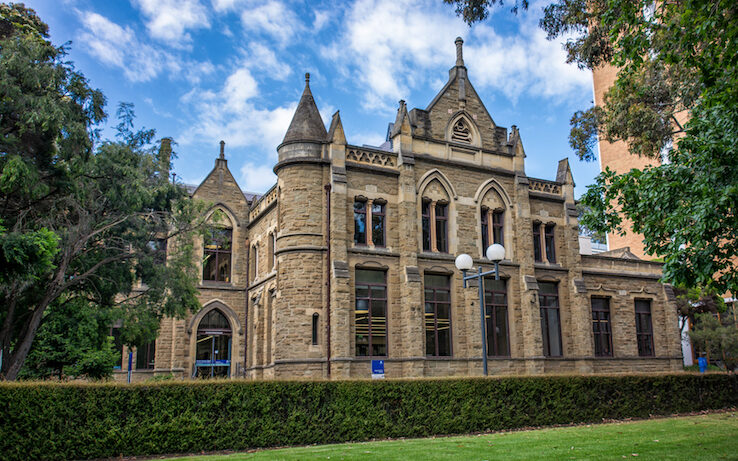
“Melbourne’s Faculty of Business and Economics pairs sandstone prestige with one of the country’s deepest graduate economics pipelines.”
Interesting facts about Melbourne economics
- Home to the Melbourne Institute and major applied economics research centres.
- Strong honours stream feeding domestic and international PhD placements.
- Melbourne CBD access supports consulting, banking, and analytics internships.
- Econometrics and micro theory are core strengths in postgraduate pathways.
University of Melbourne — economics key details
| Detail | Information |
|---|---|
| Economics rank (this guide) | #2 |
| Global economics reputation | Top 3 nationally |
| Location | Melbourne, Victoria |
| Founded | 1853 |
| University type | Public |
| Approx. students (university) | ~73,000 |
| Student–faculty ratio (approx.) | 20:1 |
| Economics strengths | Econometrics, Applied Micro, Finance |
| Tuition (indicative) | AUD 38,000 – 120,000 / year |
| Scholarships | Yes |
| Main address | Grattan St, Parkville VIC 3010 |
| Phone | +61 3 9035 5511 |
| Other campuses | Southbank, Burnley |
| Official website | Visit website |
The University of Melbourne suits high-achieving students who want economics inside a globally recognised business faculty with serious graduate school options. Melbourne’s labour market is Australia’s largest for consulting, banking, and data analytics — meaning internships are plentiful if you network early. The Melbourne Model can delay specialisation, so map your economics major sequence in year one.
Compare Melbourne with Uni if cost matters: both are strong in Victoria, but Uni may offer more flexible undergraduate economics structures while Melbourne leads on prestige-sensitive honours and PhD screens.
3. University of Sydney
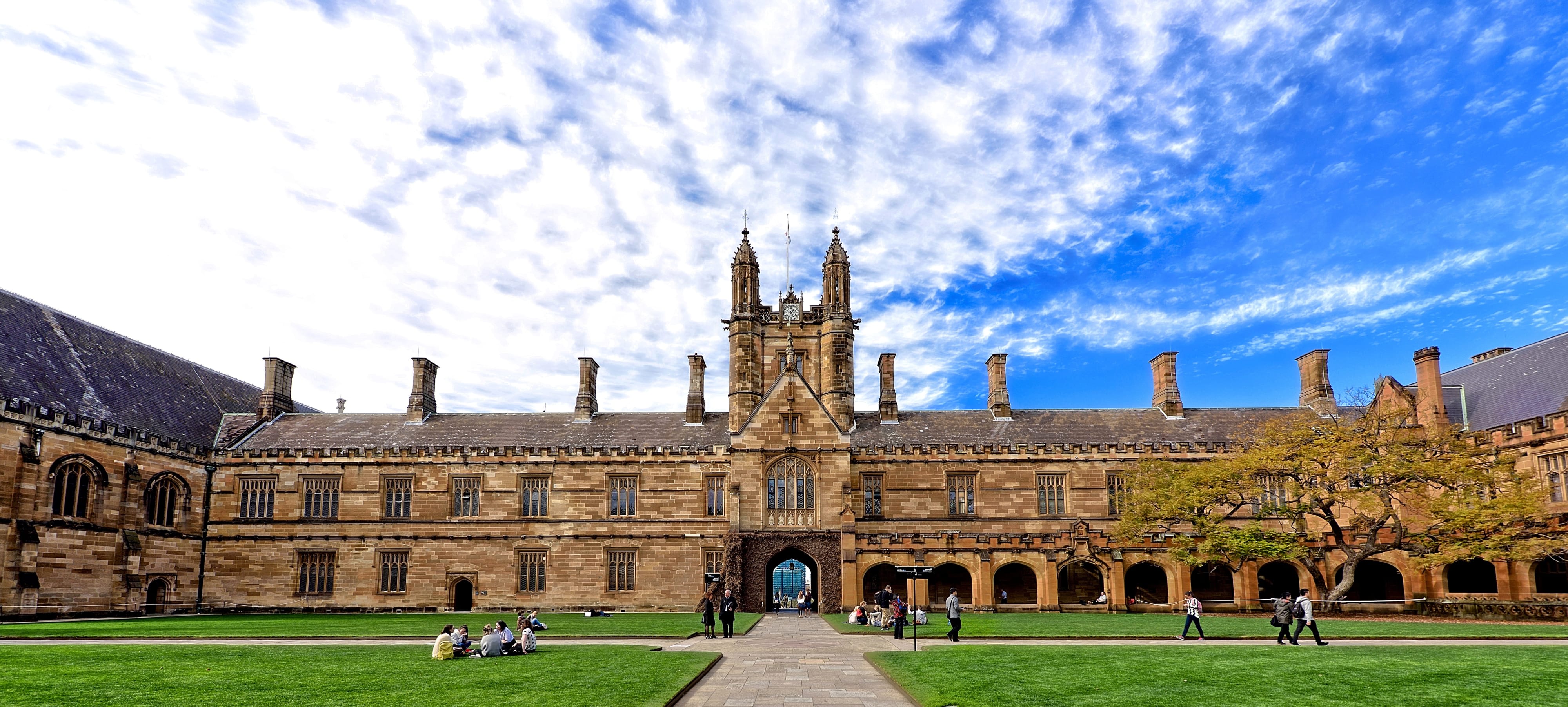
“Sydney’s School of Economics combines heritage branding with modern quantitative training for policy and industry careers.”
Interesting facts about Sydney economics
- One of Australia’s oldest and most recognised economics schools.
- Strong links to financial services and public sector employers in NSW.
- Sandstone campus with large international economics cohorts.
- Research output in trade, development, and labour economics.
University of Sydney — economics key details
| Detail | Information |
|---|---|
| Economics rank (this guide) | #3 |
| Global economics reputation | Top 5 nationally |
| Location | Sydney, New South Wales |
| Founded | 1850 |
| University type | Public |
| Approx. students (university) | ~73,000 |
| Student–faculty ratio (approx.) | 22:1 |
| Economics strengths | Trade, Labour, Financial Economics |
| Tuition (indicative) | AUD 46,900 – 61,700 / year |
| Scholarships | Yes |
| Main address | Camperdown NSW 2006 |
| Phone | +61 2 9351 2222 |
| Other campuses | Camden, Westmead |
| Official website | Visit website |
The University of Sydney is ideal for students who want economics credentials that travel internationally — the brand is instantly recognised by employers in London, Singapore, and Hong Kong. Sydney’s finance district and NSW government departments create internship density across macro policy, banking, and economic consulting.
Living costs in Sydney are among Australia’s highest, so scholarship planning is essential. If you want similar prestige with a more industry-integrated campus culture, compare closely with UNSW before committing.
4. UNSW Sydney
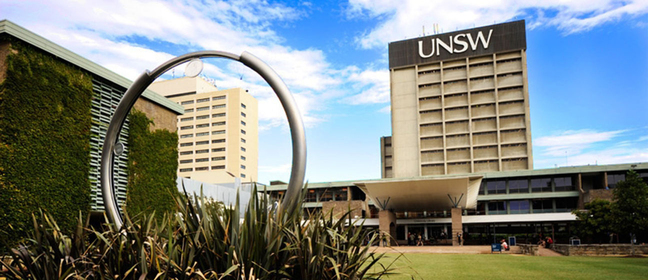
“UNSW Business School economics graduates are known for quantitative rigour and strong placement into analytics and finance roles.”
Interesting facts about UNSW economics
- Group of Eight member with industry-facing business school culture.
- Strong econometrics and data-heavy economics electives.
- Kensington campus near Sydney’s eastern suburbs business corridor.
- Competitive cohorts in commerce and economics double majors.
UNSW Sydney — economics key details
| Detail | Information |
|---|---|
| Economics rank (this guide) | #4 |
| Global economics reputation | Top 8 nationally |
| Location | Sydney, New South Wales |
| Founded | 1949 |
| University type | Public |
| Approx. students (university) | ~64,000 |
| Student–faculty ratio (approx.) | 22:1 |
| Economics strengths | Econometrics, Finance, Analytics |
| Tuition (indicative) | AUD 35,000 – 55,000 / year |
| Scholarships | Yes |
| Main address | High St, Kensington NSW 2052 |
| Phone | +61 2 9385 1000 |
| Other campuses | Canberra (ADFA partnership) |
| Official website | Visit website |
UNSW Sydney fits ambitious students who want economics training that employers read as “quantitative.” The business school’s scale means more electives in finance, actuarial studies, and data science — useful if your career target is analytics rather than pure academia. Kensington’s proximity to tech and finance employers helps internship access.
UNSW and Sydney are often compared head-to-head. UNSW frequently wins on employability metrics and modern campus facilities; Sydney wins on heritage prestige and some policy networks. Visit both faculties and compare honours entry rules before deciding.
5. the university
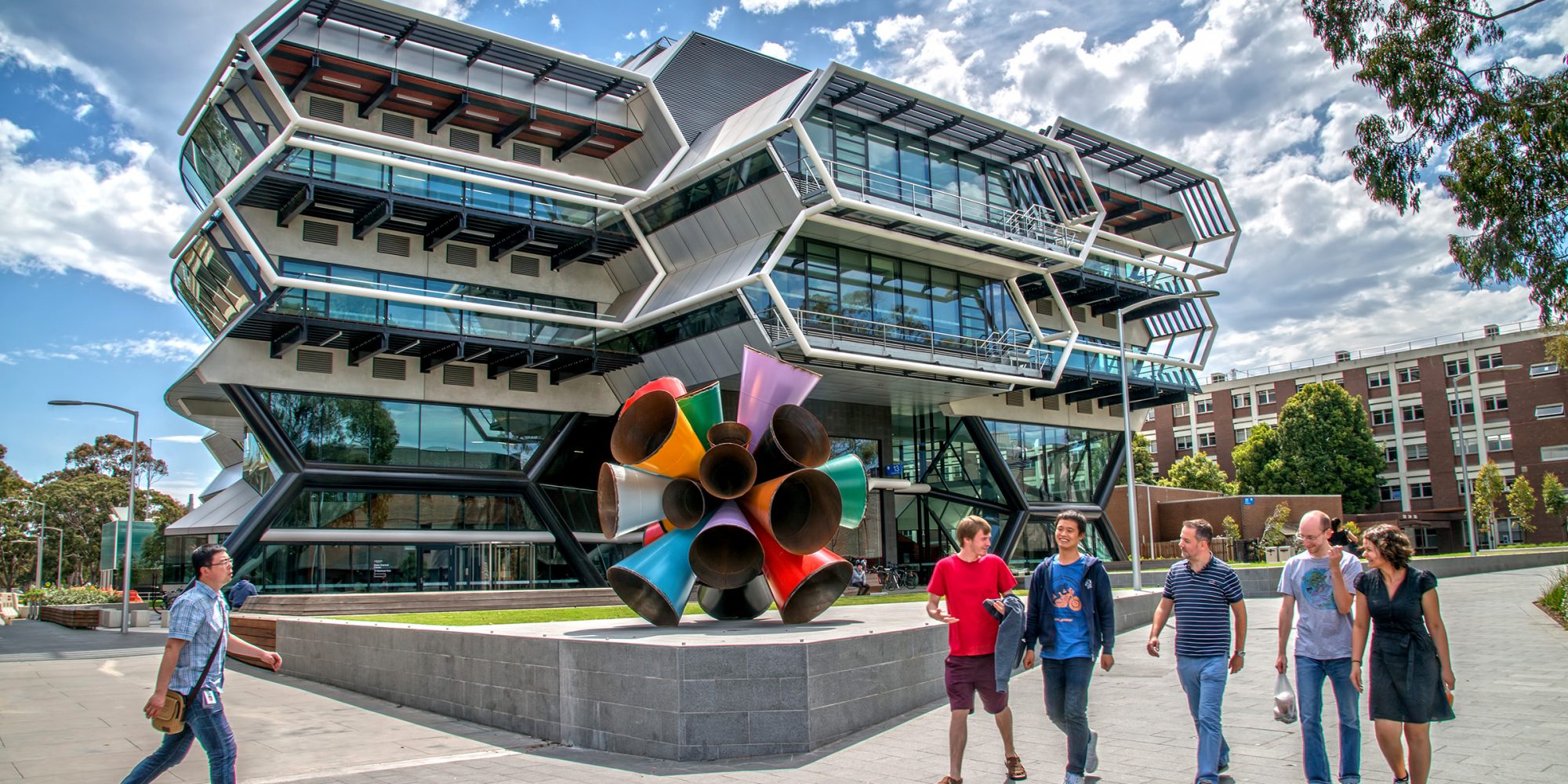
“Uni economics balances research depth with practical policy work — a strong choice for students who want scale and choice across Melbourne campuses.”
Interesting facts about Uni economics
- Department of Economics with applied policy and development research.
- Group of Eight research intensity with large undergraduate intake.
- Centre for Development Economics and Sustainability initiatives.
- Multiple Melbourne campuses supporting flexible study patterns.
the university — economics key details
| Detail | Information |
|---|---|
| Economics rank (this guide) | #5 |
| Global economics reputation | Top 10 nationally |
| Location | Melbourne, Victoria |
| Founded | 1958 |
| University type | Public |
| Approx. students (university) | ~88,000 |
| Student–faculty ratio (approx.) | 22:1 |
| Economics strengths | Development, Applied Policy, Econometrics |
| Tuition (indicative) | AUD 35,000 – 93,000 / year |
| Scholarships | Yes |
| Main address | Wellington Rd, Clayton VIC 3800 |
| Phone | +61 3 9902 6000 |
| Other campuses | Caulfield, Peninsula, Parkville |
| Official website | Visit website |
the university is a top-five economics pick for students who want breadth — large faculty, diverse electives, and strong development economics research. Caulfield attracts business and economics students who prefer a city-fringe campus; Clayton remains the research hub. If you are already enrolled, track WAM carefully because honours and scholarship screens are credit-weighted.
Uni competes directly with Melbourne on prestige but often offers more accessible undergraduate pathways and clearer major maps. Compare course handbooks side by side if you are torn between the two Victorian Go8 options.
6. University of Queensland

“UQ’s School of Economics is a Go8 anchor in Queensland — strong on resource economics, trade, and Asia-Pacific policy.”
Interesting facts about UQ economics
- Leading economics school in Queensland with Go8 research credentials.
- Strength in resource, environmental, and agricultural economics.
- Brisbane living costs typically lower than Sydney or Melbourne.
- Asia-Pacific trade and development research networks.
University of Queensland — economics key details
| Detail | Information |
|---|---|
| Economics rank (this guide) | #6 |
| Global economics reputation | Top 12 nationally |
| Location | Brisbane, Queensland |
| Founded | 1909 |
| University type | Public |
| Approx. students (university) | ~55,000 |
| Student–faculty ratio (approx.) | 24:1 |
| Economics strengths | Resource Econ, Trade, Environmental Econ |
| Tuition (indicative) | AUD 43,000 – 60,000 / year |
| Scholarships | Yes |
| Main address | Sir Fred Schonell Dr, St Lucia QLD 4072 |
| Phone | +61 7 3365 1111 |
| Other campuses | Gatton, Herston |
| Official website | Visit website |
UQ suits students who want serious economics training without Sydney or Melbourne rent pressure. Resource and environmental economics are genuine strengths given Queensland’s mining, agriculture, and climate policy context — not generic marketing. St Lucia campus lifestyle is a real draw for international students balancing study and wellbeing.
Compare UQ with QUT if you want more applied business technology integration. UQ wins on research economics and honours; QUT competes on industry projects for some commerce pathways.
7. University of Western Australia
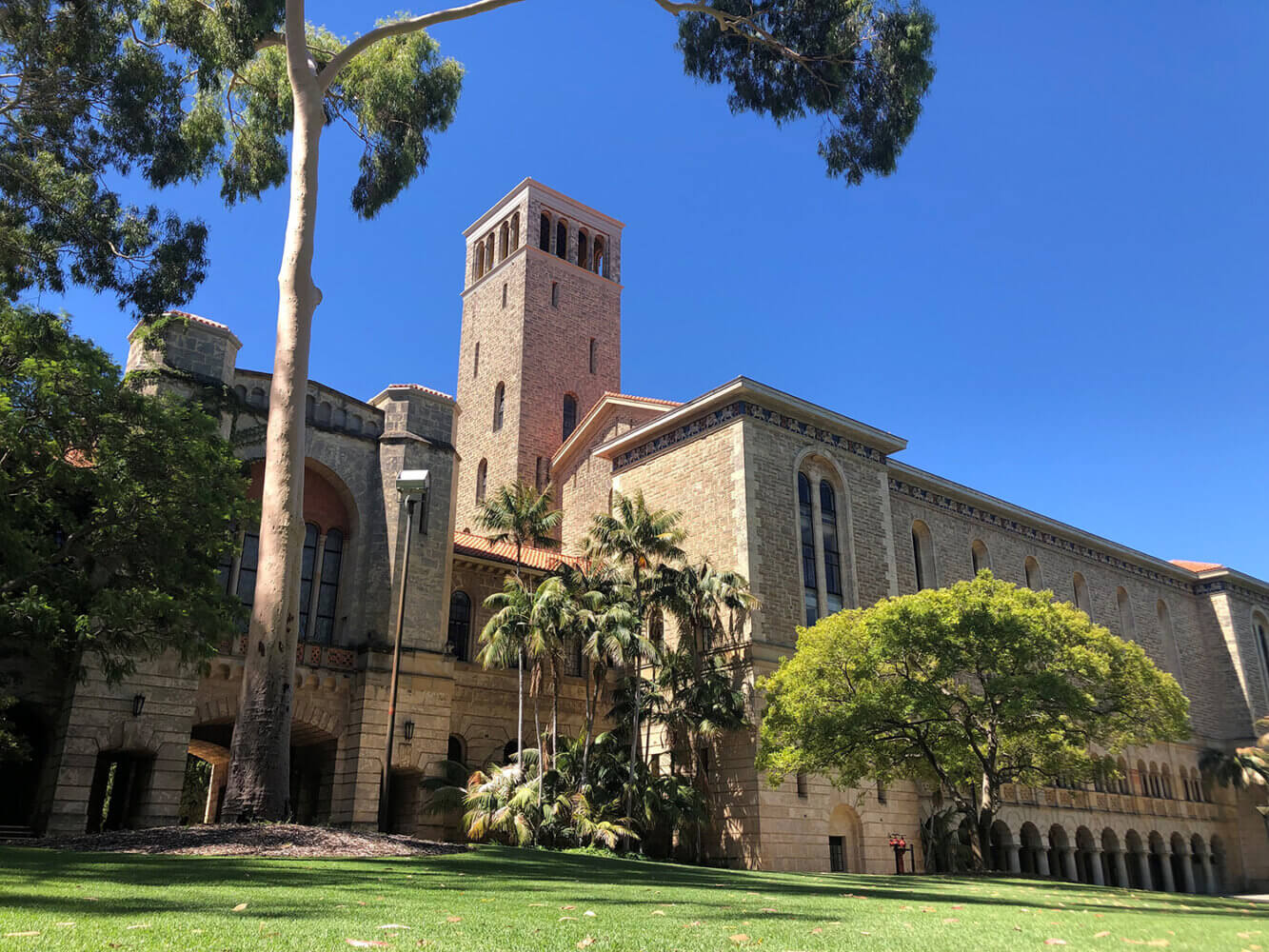
“UWA Business School economics combines Go8 rigour with Western Australia’s distinctive resource-sector policy environment.”
Interesting facts about UWA economics
- Group of Eight member with smaller, research-intensive cohorts.
- Perth economy links economics to mining, energy, and trade policy.
- Compact Crawley campus on the Swan River.
- Honours pathways for students targeting academic or public-sector careers.
University of Western Australia — economics key details
| Detail | Information |
|---|---|
| Economics rank (this guide) | #7 |
| Global economics reputation | Top 15 nationally |
| Location | Perth, Western Australia |
| Founded | 1911 |
| University type | Public |
| Approx. students (university) | ~25,000 |
| Student–faculty ratio (approx.) | 23:1 |
| Economics strengths | Resource Econ, Public Policy, Econometrics |
| Tuition (indicative) | AUD 33,000 – 111,560 / year |
| Scholarships | Yes |
| Main address | 35 Stirling Hwy, Crawley WA 6009 |
| Phone | +61 8 6488 6000 |
| Other campuses | Albany |
| Official website | Visit website |
UWA is compelling for students interested in commodity markets, trade with Asia, and resource taxation policy — topics that are abstract in eastern textbooks but concrete in Perth. Smaller class sizes can mean better access to academics during honours years.
Consider geography: national finance and consulting graduate programs still concentrate in Sydney and Melbourne. UWA works best if you plan to build a WA career or pursue postgraduate study elsewhere later.
8. Adelaide University

“Adelaide offers Go8 economics credentials at a lower living-cost base than Sydney or Melbourne — underrated for policy and analytics students.”
Interesting facts about Adelaide economics
- Group of Eight research tradition with heritage dating to 1874.
- Known for wine economics, agriculture, and health policy research.
- Adelaide living costs among the lowest of major Australian capitals.
- Smaller economics cohorts can mean closer academic mentoring.
Adelaide University — economics key details
| Detail | Information |
|---|---|
| Economics rank (this guide) | #8 |
| Global economics reputation | Top 18 nationally |
| Location | Adelaide, South Australia |
| Founded | 1874 (heritage) |
| University type | Public |
| Approx. students (university) | ~29,000 |
| Student–faculty ratio (approx.) | 20:1 |
| Economics strengths | Agricultural Econ, Health Policy, Econometrics |
| Tuition (indicative) | AUD 24,500 – 89,500 / year |
| Scholarships | Yes |
| Main address | 230 North Terrace, Adelaide SA 5000 |
| Phone | +61 8 8313 4455 |
| Other campuses | Roseworthy, Waite |
| Official website | Visit website |
Adelaide University is a value play for economics students who want Go8 depth without mega-city expenses. Agricultural and health economics are distinctive strengths tied to South Australia’s industry mix. Confirm current faculty branding and course codes on the official site during Australia’s university transition period.
If your heart is set on a global investment bank graduate program, Adelaide may require more proactive relocation after graduation. For public policy, health economics, or PhD preparation, it punches above its casual reputation.
9. Macquarie University
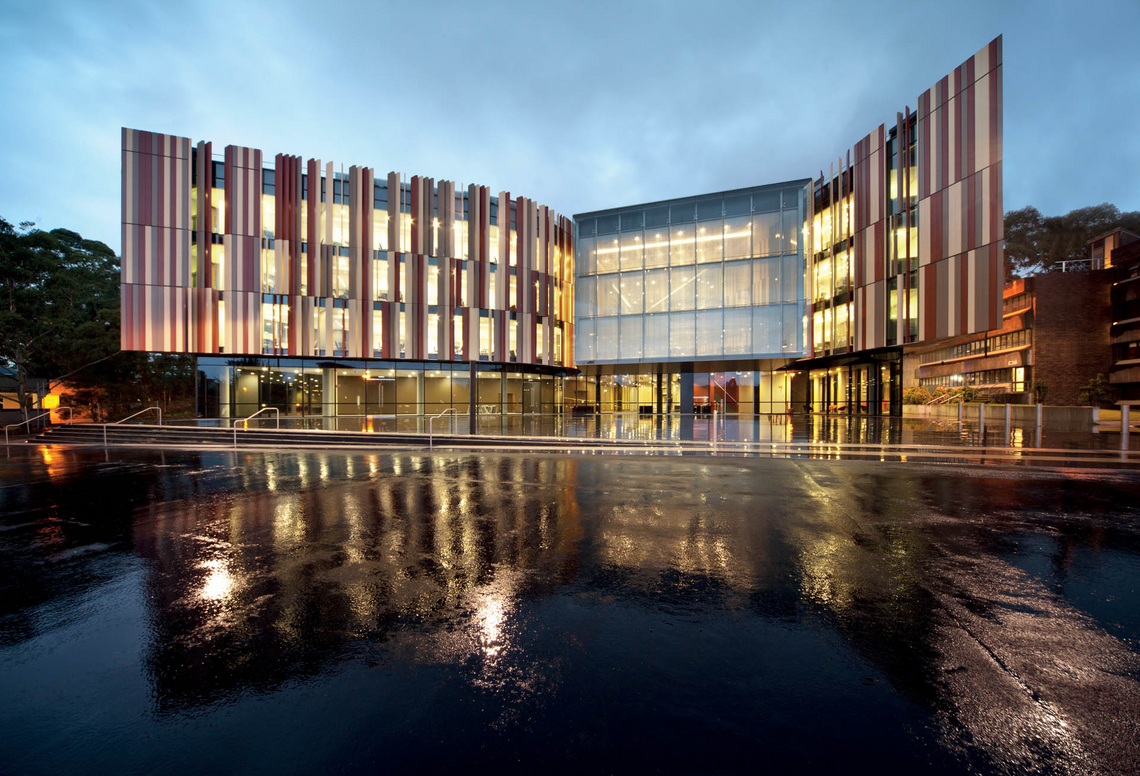
“Macquarie’s economics and applied finance ecosystem is built for students who want Sydney access without sandstone price premiums.”
Interesting facts about Macquarie economics
- Strong applied finance and economics intersection on campus.
- Macquarie Park technology corridor supports analytics internships.
- Centre for Health Economy and policy-linked research units.
- Recognised business school with growing quantitative economics intake.
Macquarie University — economics key details
| Detail | Information |
|---|---|
| Economics rank (this guide) | #9 |
| Global economics reputation | Top 20 nationally |
| Location | Sydney, New South Wales |
| Founded | 1964 |
| University type | Public |
| Approx. students (university) | ~44,000 |
| Student–faculty ratio (approx.) | 25:1 |
| Economics strengths | Applied Finance, Health Econ, Analytics |
| Tuition (indicative) | AUD 32,000 – 45,000 / year |
| Scholarships | Yes |
| Main address | Balaclava Rd, Macquarie Park NSW 2109 |
| Phone | +61 2 9850 7111 |
| Other campuses | Macquarie Park |
| Official website | Visit website |
Macquarie University suits students who want economics with a practical finance and analytics edge. The campus sits in Sydney’s technology corridor, which helps data-oriented economics graduates find internships in tech, consulting, and health analytics. Linguistics and psychology strength is a bonus for behavioural economics interests.
Macquarie is not a Go8 brand, but employers increasingly care about skills over logos for analyst roles. Compare honours entry standards with UNSW and Sydney if postgraduate study is your goal.
10. University of Technology Sydney (UTS)

“UTS economics is practice-first — built for students who want policy literacy and data skills that translate directly into industry.”
Interesting facts about UTS economics
- Industry-integrated business school in Sydney’s Ultimo innovation precinct.
- Strong emphasis on analytics, data visualization, and applied projects.
- Recognised among Australia’s top young universities.
- Economics electives align with fintech and public policy streams.
UTS — economics key details
| Detail | Information |
|---|---|
| Economics rank (this guide) | #10 |
| Global economics reputation | Top 25 nationally |
| Location | Sydney, New South Wales |
| Founded | 1988 (current form) |
| University type | Public |
| Approx. students (university) | ~45,000 |
| Student–faculty ratio (approx.) | 25:1 |
| Economics strengths | Applied Econ, Analytics, Public Policy |
| Tuition (indicative) | AUD 17,000 – 50,000 / year |
| Scholarships | Yes |
| Main address | 15 Broadway, Ultimo NSW 2007 |
| Phone | +61 2 9514 2000 |
| Other campuses | Moore Park |
| Official website | Visit website |
UTS closes this list as the skills-first Sydney option for economics students who care more about graduate employability than league-table prestige. The rebuilt campus and industry project culture suit students targeting consulting, startups, government analytics, or fintech — provided you supplement theory with mathematics electives.
If you want honours leading to a top-tier PhD, UTS may require more self-directed preparation than ANU or Melbourne. If you want a job in Sydney’s innovation economy within twelve months of graduating, UTS deserves serious consideration.
Economics Career Pathways After Your Degree
Choosing among the best universities for economics in australia is only step one. Your major electives, mathematics depth, honours decision, and internship record matter more than any single rank for most careers. Policy students should prioritise econometrics and macro; industry students should add data science and finance electives deliberately.
If you are comparing offers across cities, read our best universities in australia and best pharmacy universities in australia guides for parallel ranking methodology — then return here for economics-specific faculty fit. Once enrolled at Uni, use the WAM calculator to protect scholarship and honours positioning.
Always verify current fees, prerequisites, and course structures on official university websites. Rankings in this article are indicative for 2026 planning and should be combined with open-day conversations and handbook research.
Frequently Asked Questions
What are the best universities for economics in Australia?
This guide ranks ANU, Melbourne, Sydney, UNSW, Uni, UQ, UWA, Adelaide, Macquarie, and UTS among the best universities for economics in Australia using research strength, quantitative training, and career pathways.
Which university is #1 for economics in Australia?
Australian National University (ANU) is ranked #1 in this guide for economics research depth, policy proximity in Canberra, and honours or PhD pipelines.
Is economics the same as commerce or finance?
No. Economics focuses on modelling, policy, and quantitative reasoning. Commerce and finance degrees often include economics subjects but emphasise business operations and markets differently.
Do I need strong mathematics for an economics degree?
Yes for honours and quantitative careers. Most top economics programs expect solid mathematics prerequisites or performance in quantitative subjects.
Which city is best for economics internships?
Canberra suits public policy and Treasury pathways. Sydney and Melbourne offer the largest finance and consulting markets. Brisbane and Adelaide can offer lower living costs with strong regional employers.
Should I choose a university by economics rank alone?
No. Compare faculty research in your interest area, honours rules, mathematics requirements, internship geography, and total living costs before applying.
Try These Calculators
Model your WAM, GPA, and targets with the same tools referenced in this guide.
WAM to GPA Calculator
Convert overall WAM to 4.0 and 7.0 GPA bands.
Open toolATAR to GPA & WAM
Indicative ATAR ↔ WAM ↔ GPA planning bands.
Open toolHigh School GPA Calculator
Weighted and unweighted US-style school GPA.
Open toolDegree Progress Tracker
Credit points completed and semesters remaining.
Open tool